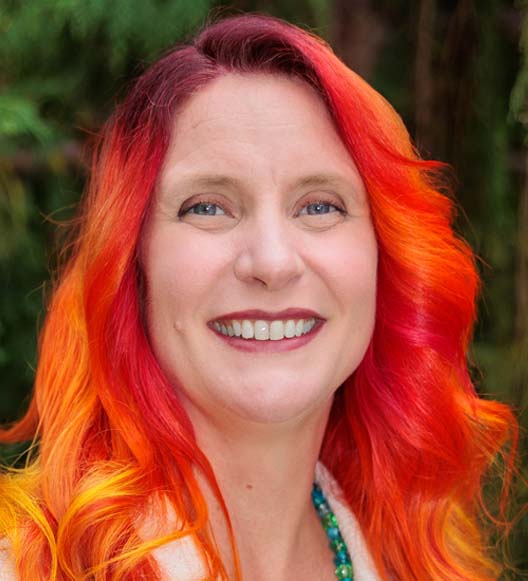
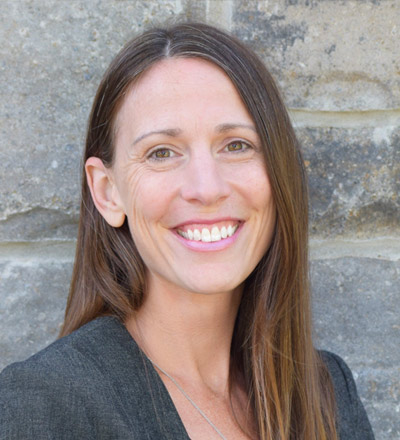
Emily McTier, Registered Psychotherapist #17763 is a Registered Psychotherapist (Qualifying) at MyLife Counselling in Guelph. She works with youth and adults through behavioural issues, emotional regulation, self-injury, neurodivergence, ADHD, student issues, anxiety, depression, and life transitions. Learn more about Emily here.
You Do not Have to Be ‘Sick Enough’: Why Your Relationship with Food Deserves Care
What if your struggles with food and body image are real, even if no one else can see them?
You are constantly thinking about what you should or should not eat. Meals come with guilt, anxiety, or shame. Or you find yourself stuck in patterns, such as skipping meals, overeating, over-exercising—that you cannot explain but cannot seem to stop.
At times, you might ask: Is something wrong, or is this just how everyone feels about food?
The truth is, you do not have to reach a breaking point—or fit for a specific diagnosis—to deserve support. Disordered eating exists on the spectrum, and no matter where you fall, your relationship with food is worth understanding and healing.
What Is “Disordered Eating,” Anyway?
Disordered eating isn’t always obvious — and it doesn’t have to be extreme to be harmful. It exists on a spectrum. That means someone can struggle with food and eating habits without having a diagnosed eating disorder. Even mild or occasional patterns can seriously affect your physical health and emotional well-being.
Here are some common signs of disordered eating:
- Skipping meals or restricting food intake
- Fixating on weight, body size, or eating “clean”
- Feeling out of control around food or binge eating
- Exercising excessively to compensate for eating
- Using food to manage stress, anxiety, or emotions
- Feeling guilt, shame, or anxiety about eating
These behaviors might not meet the criteria for a clinical eating disorder, but they still matter. They deserve attention, compassion, and support — because your relationship with food affects your overall quality of life.
Eating Disorders: More Than Just About Food
Eating disorders are not a choice. They are serious mental health conditions that can affect anyone—regardless of age, gender, body size, or background.
Some of the most common types of eating disorders include:
- Anorexia Nervosa: Characterized by restriction of food, intense fear of gaining weight, and a distorted body image.
- Bulimia Nervosa: Involves cycles of binge eating followed by purging (vomiting, laxatives, excessive exercise, etc.).
- Binge Eating Disorder: Frequent episodes of eating copious amounts of food at an abbreviated time, often accompanied by shame and a feeling of loss of control.
- ARFID (Avoidant/Restrictive Food Intake Disorder): ARFID goes beyond typical fussy eating. It often involves intense anxiety or aversion around certain foods due to taste, texture, fear of choking, or past negative experiences.
Many people struggle in silence, often because their body does not “look” like what we imagine an eating disorder to be. But eating disorders are not always visible—and every person’s experience is valid.
When to Worry: Signs It Might Be More Than a “Phase”
While many people experiment with food, diets, or exercise routines at some point, there are certain signs that suggest the need for professional support:
- Preoccupation with food, weight, or body image that interferes with daily life.
- Avoidance of eating around others or secrecy about eating habits
- Physical symptoms, such as fatigue, dizziness, digestive issues, or missed periods.
- Emotional distress, such as anxiety, depression, or irritability related to food or body image.
- Rigid routines around eating or exercise that cause distress when disrupted.
If you or someone you love is experiencing these signs, it is okay to reach out. You do not need to wait until things get worse.
The Deeper Layers Beneath Disordered Eating
Disordered eating is rarely about food. Often, it is a way of coping with something deeper – stress, trauma, anxiety, perfectionism, or a desire for control in an unpredictable world.
When we peel back the layers, we often find:
- A need for emotional regulation: Using food to numb or soothe emotions.
- A desire for control: Especially during times of change, transition, or uncertainty
- A way to express distress when words feel too hard.
- Internalized beliefs about worth, appearance, or success that can feel overwhelming.
Understanding these roots is key to healing—and it is something that therapy can help unpack in a safe, non-judgmental space.
How Therapy Can Help
You do not have to be at rock bottom to benefit from therapy. In fact, early support can prevent things from becoming more serious—and can offer tools for healing at any stage.
As a therapist collaborating with individuals with disordered eating patterns I can help you:
- Identify and understand the emotional patterns behind eating behaviors.
- Challenge unhelpful thoughts or beliefs about food and body.
- Build healthier coping skills for stress, anxiety, and emotions.
- Work through perfectionism, shame, or trauma.
- Reconnect with your body in a more compassionate way.
You are not weak at struggling. You are human. And you are worthy of support, exactly as you are.
What If You Are Concerned About Someone Else?
It can be hard to know how to help a loved one who might be struggling. Here are a few gentle tips:
- Start with curiosity, not confrontation: “I’ve noticed you’ve seemed stressed around food lately—how are you doing?”
- Avoid commenting on body or weight—even if it is meant as a compliment.
- Validate their experience: Let them know you are there and that they do not have to go through it alone.
- Encourage professional help—but avoid forcing it. Offer to help them find a therapist or go with them to an appointment if they want.
Sometimes, just knowing someone sees them and cares can be the first step toward healing.
You Do not Have to Do This Alone
Whether you are navigating your own relationship with food or watching someone you love to struggle with, it is okay to ask for help. Therapy can be a safe space to unpack the “why” behind the behaviors—and to find new, kinder ways of coping.
If you are unsure whether you are experiencing “counts,” let me be clear: it does. You count. And you deserve support.
If you are struggling with an eating disorder or disordered eating, I offer compassionate, individualized therapy to support your healing.
Whenever you are ready, I am here to help you.
Emily McTier, Registered Psychotherapist #17763 is a Registered Psychotherapist (Qualifying) at MyLife Counselling in Guelph. She works with youth and adults through behavioural issues, emotional regulation, self-injury, neurodivergence, ADHD, student issues, anxiety, depression, and life transitions. Learn more about Emily here.