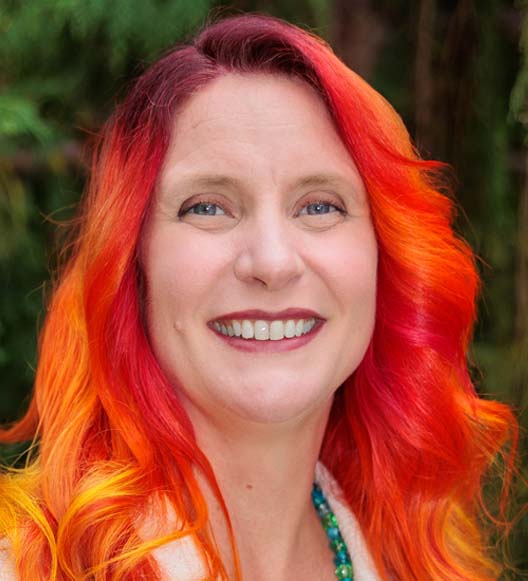
Alia Ziesman, RP #13220 is a Registered Psychotherapist at MyLife Counselling in Guelph. She works with adults & youth 8 years and up through anxiety, grief and loss, postpartum issues, parenting, trauma, depression, relationships, PTSD and self-confidence. Learn more about Alia here.
Groups Provide Meaning During Postpartum
Becoming a parent is a transformative and life changing experience. The joys of having a child are indescribable, the love palpable. This new reality also presents challenges that our pre-baby minds could not have predicted, and we are not always prepared to cope with these changes. Furthermore, the full-time responsibilities of motherhood can leave little time to connect with other moms with whom we can share our thoughts, struggles, and goals (and have adult conversations!).
For some, the isolation of becoming a parent can be problematic, others less so. Depending on our temperament and social preferences, needs are unique to the individual. We have all heard people say that the isolation of the pandemic was harder on extroverts than introverts; although this may be partly true, introverts surely felt the effects as well, albeit in separate ways. Early motherhood is similar: the myriads of latest changes necessitate that we learn how to reach out to others for help (not easy!). If we want to avoid burnout and preserve our mental and physical well-being, ongoing maternal care is necessary.
This is where postpartum groups can help: by providing comfort and validation in a way that only groups can, a way to see ourselves in others. As parenting increases solitude, postpartum support groups deepen connection. Having structured support has proven to be effective by providing the much-needed opportunity for moms to connect about their challenges and find solutions. Groups can also fill social services gaps by providing the unique opportunity to participate in a group setting facilitated by a professional, often an individual (who is often a parent themselves). Postpartum support can come in a variety of ways and research shows that effective postpartum care, especially for the first six to eight weeks after a baby is born, involves reliable, ongoing, continuous care (Lopez-Gonzalez & Kopparapu. 2022). Groups provide support and help us to stay healthy.
Groups provide meaning. As the well-known Victor Frankl famously stated:
“Life is not a quest for pleasure, but a quest for meaning.”
Often group experiences provide the only chance for a mother to connect with other moms. These groups can provide comfort, lead to new friendships, and create new meaning to the personal experience of motherhood. Think of groups as a sounding board for your thoughts and a means for creating positive change. As we embark on this journey as parents, we create new meaning and new ways to develop our identities by being around others.
Groups are powerful vehicles for improving mental health. Research shows that group therapy is an affordable and useful way to provide support for individuals with anxiety, depression, emotional trauma, PTSD, and other conditions in a highly cost-efficient means (Malhotra & Baker, 2022). Choosing the right group involves doing your research ahead of time. It is important to seek out groups with a facilitator who is trauma-informed and experienced in group facilitation; this will help to ensure participants feel safe, free from judgment, and at ease. You may also want to consider the type of group: is it process-oriented or psychoeducational in nature, or both? The first focuses more on the individual experiences of members, the latter shares skills and information and often involves more participation from the instructor. The sweet spot is a postpartum group that offers both.
Postpartum Blues vs. Postpartum Depression
It is important to distinguish between postpartum blues and postpartum depression. More than 85% of women experience the postpartum blues. Common baby blues symptoms include crying, anxiety, mood swings, difficulty sleeping, and irritability. These symptoms often resolve naturally within a few weeks, and it is recommended that all women are screened to ensure these symptoms are resolved. Feelings of baby blues often dissipate shortly after baby comes, whereas postpartum symptoms last longer, are more severe, and may require intervention from a medical professional. Some symptoms of postpartum depression include excessive crying, difficulty sleeping, detachment from baby, brain fog, changes in mood, sadness, anxiety, eating problems and more. If any of these symptoms sound familiar to you, it is important to talk to your doctor before joining a postpartum group.
Seeing ourselves in others is a powerful and validating experience. Groups can normalize our thoughts, feelings, and experiences and help us to get out of our head and into the moment. As we learn to control our endless rumination, we find joy. For some, joining a postpartum group can make all the difference during the postpartum experience. It is okay to want to put your baby down sometimes and talk to other moms; this is healthy, normal, and brave. If you are interested in joining a Postpartum Group at My Life Counselling, please contact the clinic to speak with an intake worker directly +1 800-828-9484.
References
Lopez-Gonzalez, D. M & Kopparapu, A. K. Postpartum Care of the New Mother. (2022). StatPearls Treasure Island (FL). https://www.ncbi.nlm.nih.gov/books/NBK565875/
Malhotra A, Baker J. (2022). Group Therapy. StatPearls. https://www.ncbi.nlm.nih.gov/books/NBK549812/
Sapolsky, R. M. (1994). Why zebras do not get ulcers: A guide to stress, stress related diseases, and coping. W.H. Freeman.
Alia Ziesman, RP #13220 is a Registered Psychotherapist at MyLife Counselling in Guelph. She works with adults & youth 8 years and up through anxiety, grief and loss, postpartum issues, parenting, trauma, depression, relationships, PTSD and self-confidence. Learn more about Alia here.