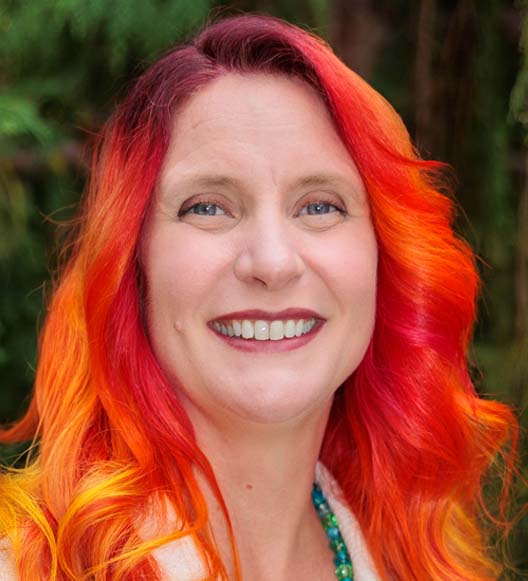
Raquel Meneses, RSW #856500 is a Registered Social Worker at MyLife Counselling in Guelph. She works with youth, adults, couples and families through relationships, student issues, life transitions, behavioural issues, anxiety, autism, emotional regulation, and family issues. Learn more about Raquel here.
What Travelling Does for a Therapist: Lessons in Self Care, Presence, and Being Human
As therapists, we spend a great deal of time holding space for others. We listen to emotions, help people navigate stress, and guide individuals through some of the most vulnerable moments of their lives. Because of this, self-care is not just helpful for therapists, it is necessary. One of the most powerful forms of self-care I have experienced recently was traveling.
Traveling reminded me of something simple yet profound. Therapists are human first. We experience excitement, frustration, joy, curiosity, and exhaustion just like everyone else. My recent travel experience allowed me to step outside my routine and reconnect with myself in ways that felt refreshing and grounding.
One of the first things I noticed during my trip was the sense that time slowed down in the best conceivable way. When daily routines are temporarily removed, the mind has space to breathe. Instead of rushing between appointments, emails, and responsibilities, the day becomes about observing, exploring, and being present. I remember walking through a new city and noticing details I would normally overlook at home. The sounds of the streets, the colors of buildings, the rhythm of people moving through their day.
In many ways, I felt like a brand-new person. Not because I changed who I was, but because I was reconnecting with parts of myself that everyday life often rushes past.
Another surprising realization was how little I used my phone. At home, our devices constantly pull our attention away from the present moment. During my travels, I noticed that I rarely reached for my phone. I was too busy experiencing what was happening right in front of me. Conversations felt longer and more meaningful. Meals were savored rather than rushed. Moments were absorbed instead of documented.
This type of presence is something therapists often encourage clients to practice. Yet traveling reminded me how powerful it feels when we truly experience it ourselves.
Meeting new people was another unexpected and meaningful part of the journey. Traveling creates an environment where conversations happen naturally. Whether it was chatting with someone at a café, connecting with other travelers, or sharing stories during group activities, each interaction offered something different.
Some people were outgoing and energetic. Others were thoughtful and reflective. Some conversations were lighthearted and humorous, while others were deeper and more personal. Experiencing these different personalities reminded me how diverse and complex people are. It also reinforced something important in therapy and in life: connection can happen in unexpected places when we remain open to it.
From a self-care perspective, meeting new people can be incredibly restorative. Social connection supports emotional wellbeing, and new relationships often bring fresh perspectives. Hearing about the lives, cultures, and experiences of others expanded my thinking and reminded me that the world is far bigger than our daily routines.
At the same time, travel is not always smooth or relaxing. Delayed flights, long lines, unexpected changes in plans, and physical fatigue are all part of the experience. One of the most honest lessons traveling taught me was that frustration still appears, even when you are somewhere beautiful or exciting.
I remember sitting in an airport during a flight delay and noticing my body reacting before my mind did. My shoulders felt tight. My breathing became shallow. I felt irritated and impatient. For a moment, I caught myself thinking that I should not feel this way because I was on vacation.
But emotions do not disappear simply because we want them to. Even therapists experience stress, annoyance, and disappointment. The difference is often in how we respond to those emotions.
Instead of pushing the feeling away, I tried to observe it. I took a few slower breaths and reminded myself that frustration was a normal reaction to the situation. I also reminded myself that this moment was temporary. Delays happen, and travel rarely goes exactly according to plan.
This small moment became an opportunity to practice the same emotional awareness that therapists often encourage in sessions. Emotions are signals. They tell us how our body is responding to the environment around us. Acknowledging them allows us to move through them rather than becoming stuck in them.
Another important aspect of travel self-care was learning to listen to my body. Traveling can be physically demanding. Walking long distances, adjusting to new schedules, and navigating unfamiliar environments can leave the body feeling tired. At times I noticed my energy dropping and had to remind myself that rest was just as important as exploration.
Self-care during travel sometimes looked like it was slowing down. Sitting quietly in a park. Taking a longer break between activities. Drinking water and eating nourishing meals. These moments helped me reset and enjoy the experience more fully.
There were also moments when I simply allowed myself to observe the world around me without needing to accomplish anything. Watching people move through a marketplace, listening to unfamiliar languages, or noticing how diverse cultures interact with one another created a sense of curiosity and appreciation.
These quiet moments of observation felt deeply grounding.
Traveling also reinforced an important reminder about emotional realism. Sometimes we imagine that vacations will solve all stress or bring constant happiness. Emotions continue to ebb and flow no matter where we are. You can feel grateful and tired at the same moment. You can feel excited while also feeling overwhelmed.
And that is completely human.
For therapists especially, acknowledging this is important. We support others in understanding their emotional experiences, but we must also give ourselves permission to experience our own. Self-care is not about eliminating difficult emotions. It is about creating space to notice them, respond with kindness, and continue moving forward.
When I reflect on my travel experience, the greatest gift it offered was perspective. It reminded me to slow down, to stay present, and to connect with others in meaningful ways. It also reminded me that self-care does not always have to be complicated. Sometimes it looks like stepping outside your routine, exploring something new, and allowing yourself to simply be.
Traveling helped me return home feeling refreshed, curious, and more connected to myself. Not because every moment was perfect, but because every moment offered something to learn.
In the end, which may be one of the most powerful forms of self-care a therapist can practice. Experiencing life fully, with openness, curiosity, and compassion for ourselves along the way.
Raquel Meneses, RSW #856500 is a Registered Social Worker at MyLife Counselling in Guelph. She works with youth, adults, couples and families through relationships, student issues, life transitions, behavioural issues, anxiety, autism, emotional regulation, and family issues. Learn more about Raquel here.