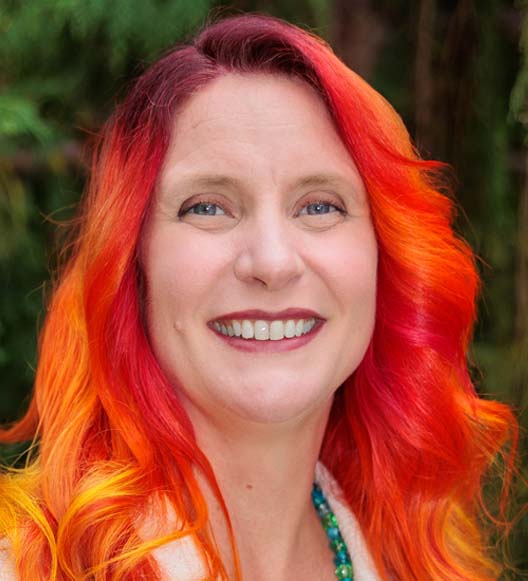
Emily Hansen, RP #6593 is a Registered Psychotherapist at MyLife Counselling in Guelph. She works with individuals 7 years and up through trauma, anxiety, depression, child/adolescent issues, and chronic illness. Learn more about Emily here.
Coping with a New Chronic Illness Diagnosis
Receiving a chronic illness diagnosis is often a frightening, overwhelming, and life-altering experience. Regardless of how the news is delivered—whether it follows a long period of unexplained symptoms or comes out of the blue—it can shake your sense of stability. It may change how you see yourself, disrupt your daily routines, impact your relationships, and reshape your expectations for the future.
A chronic illness affects more than just your physical health—it touches every part of your life. It is completely normal to experience a wide range of emotions in response. You might feel relief, fear, grief, anger, anxiety, or something else entirely. Whatever you are feeling, it is valid. These are deeply human reactions to a profound change.
This blog post explores how to care for your mental health as you navigate the early and ongoing stages of living with chronic illness. While you cannot entirely control your illness progression, you can influence how you respond to it.
There is often grief:
A chronic illness diagnosis can bring with it a profound sense of loss, of health, of independence, of normalcy, and of the future you envisioned. Grief is not only for loss; it is for anything that changes unexpectedly or painfully.
You may go through classic grief stages such as denial, anger, bargaining, depression, and acceptance. These stages are not linear, nor do they happen just once, and they are not mandatory.
Tips for managing grief:
- Give yourself permission to feel what you feel without the expectation that you should feel different or ‘manage it better.’
- Write down your thoughts in a journal to process your emotions.
- Talk to a trusted person who can help you understand your feelings, such as a friend, therapist, or confidante.
- Avoid toxic positivity; you do not have to be “grateful” or “strong” all the time. Honor your sadness and your struggle.
- Grieving is part of healing. It does not mean you are giving up or are ‘okay’ with having an illness. It means you are coming to terms with a new reality.
Addressing Medical Trauma and Anxiety:
A chronic illness diagnosis can bring not just physical challenges but also medical trauma, especially if your path to diagnosis involves misdiagnosis, feeling dismissed, painful tests, emergency care, or feeling like you cannot trust your own body or symptoms.
It is common to experience anxiety before appointments, hypervigilance about symptoms, and fear of healthcare professionals, tests, or appointments.
These experiences are valid. If healthcare encounters make you feel triggered, fearful, or helpless, you are not alone, and there’s support available.
Tips for managing anxiety:
- Bring a support person to medical appointments when possible.
- Write down questions and symptoms ahead of time to stay focused and have your fears addressed. If possible, brainstorm questions with a friend ahead of time.
- Practice grounding techniques during or before stressful encounters (like deep breathing or carrying a calming object).
- Seek trauma-informed therapy to help process past medical experiences.
Set Boundaries and build a support network.
You may feel pressure from others (or yourself) to maintain your previous level of engagement, energy, or availability. But one of the greatest acts of self-compassion is setting boundaries around your new capacity.
Chronic illness often requires a shift from your previous mindset to one of balance, pacing, and rest. Challenge yourself to not see this shift as ‘lazy.’ Below are some examples of healthy boundaries. It may be helpful to talk with a therapist to practice setting and brainstorming ways to set boundaries that feel right to you.
- Saying no to social events that would exhaust you or modifying how you spend time with your loved ones (ie. Instead of a movie night out with a large group of friends, try a movie night in with your two close friends)
- Asking for help with errands, chores, or childcare
- Setting limits on how you spend your downtime, invest more time in new restful hobbies.
- Creating a “recovery zone” in your home where you can rest without interruption when you need it.
Isolation is a common side effect of chronic illness. Friends may not understand what you are going through, and it may feel impossible when trying to describe how you are feeling to someone without a chronic illness. It can feel disheartening to continually explain your symptoms or limitations, and it can feel awful to have to cancel plans with your friends. Remember that you are not alone! Millions of people live with chronic illnesses, and many are eager to connect.
Ways to build a support system:
- Join online or in-person support groups specific to your condition.
- Talk honestly with loved ones about what you need, emotionally or practically.
- Consider therapy (individual or group) with professionals trained in chronic illness or disability.
- Connect with advocacy organizations that offer education, social events, and a sense of belonging.
- Even one person who truly “gets it” can make an enormous difference in your mental health journey.
Manage and acknowledge the uncertainty of your new life.
Chronic illness often brings unpredictable symptoms, flares, and complications. The uncertainty and lack of control can be mentally draining, making it hard to relax—even during periods of remission or relative stability.
It is natural to slip into worst-case thinking or constantly monitor your body for signs of trouble. But part of living with chronic illness is learning to exist in the “okay”—where things aren’t perfect, but they’re not unbearable either. Try to stay present. Ask yourself, “What’s true for me today?” Practice radical acceptance when possible: acknowledge what is, without fighting what can’t be changed.
While chronic illness may take away certain joys, it can also open the door to new ones. This is not toxic positivity—it’s permission to find beauty, even in difficulty.
Advocate for Yourself
Living with chronic illness often means becoming your own strongest advocate—within the healthcare system, at work, with loved ones, and even in your own thoughts. Keeping a health journal can help you track symptoms, medication effects, triggers, and emotional well-being. Educate yourself using reliable sources and consider connecting with advocacy organizations like the Crohn’s and Colitis Foundation or Diabetes Canada.
Speak up when you feel unheard or dismissed. Know your condition, understand your experience, and be clear about your treatment preferences. Don’t hesitate to seek second opinions or consult other specialists if needed. Advocacy is empowering—it reminds you that your voice matters, even when your body feels unpredictable.
Therapy can also be a vital support. It offers a safe space to process the emotional impact of chronic illness—stress, anxiety, grief, and depression. Therapists can help build resilience, improve communication, and teach strategies for managing pain and fatigue. Supporting your mental health is an essential part of caring for your whole self. If I can help you along your journey, please feel free to reach out to me.
Emily Hansen, RP #6593 is a Registered Psychotherapist at MyLife Counselling in Guelph. She works with individuals 7 years and up through trauma, anxiety, depression, child/adolescent issues, and chronic illness. Learn more about Emily here.