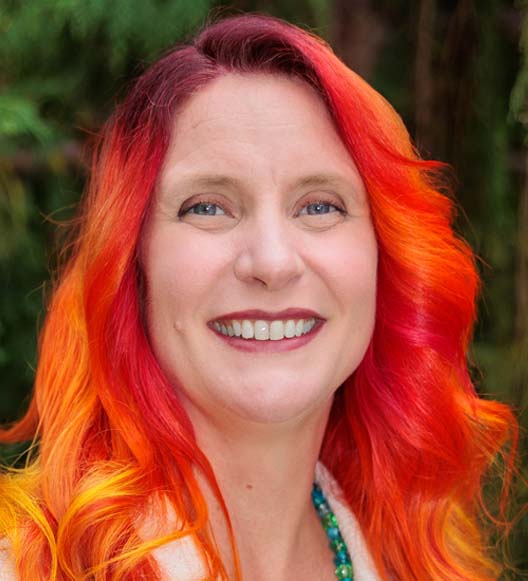
Raquel Meneses, RSW #856500 is a Registered Social Worker at MyLife Counselling in Guelph. She works with youth, adults, couples and families through relationships, student issues, life transitions, behavioural issues, anxiety, autism, emotional regulation, and family issues. Learn more about Raquel here.
What Autism Really Means for Families
When a child is diagnosed with autism, it is not just the child’s life that changes. It transforms the whole family dynamically, often in ways which are messy, beautiful, complicated, and deeply personal. For me, this is not just theory. It is a lived experience.
I am not only a therapist, but I am also a sister to a wonderful younger brother with autism. Growing up alongside him taught me that there’s no one-size-fits-all when it comes to neurodiversity. Each child is unique, and so is each family’s journey. There were hard moments, yes– but there was also laughter, growth, and deep bonds words cannot capture. I want to explore here: the real-life impact of autism on families, and the practical support that helps them thrive.
1. The Diagnosis Is a Beginning, Not an Ending
Dr. Davida Hartman, child psychologist and clinical director of the Adult Autism Practice, says an autism diagnosis is not the end of the road, it is the start of a more informed and intentional path. It gives families clarity, helping them shift from frustration to understanding.
I remember how that clarity helped my family. It reframed my brother’s behaviours, not as something “wrong,” but as something that needed support, patience, and love. It also helped me learn how to show up as a sibling in a better way.
2. Parents Carry Invisible Emotional Weight
Dr. Nicole Buerkens, a psychologist in Michigan, points out that many parents feel overwhelmed even before their child is officially diagnosed. They may sense something is different but are not sure what it means—or where to turn. After the diagnosis, which feeling can morph into anxiety, guilt, or confusion.
I watched my own parents navigate this space—constantly learning, often exhausted, but always trying. I now see in my clients what I saw in them: a deep desire to help their child, even when the resources feel out of reach. Families do not need perfection. They need consistent, cultural support, and space to be human.
3. Siblings Are in the Story Too
Having a brother with autism meant my childhood looked a little different from my peers.’ Sometimes it meant waiting longer for attention or watching him struggle in spaces where I could blend in easily. But it also shaped who I became– more patient, more observant, more compassionate.
Buerkens explains siblings of children with autism often feel a mix of emotions, pride, protectiveness, frustration, confusion. All of it is valid. And all of it deserves space. Giving siblings their own time, voice, and access to therapy or peer support can strengthen the whole family system.
4. Couples Can Feel the Strain
It is no secret that parenting is hard—and parenting a child with complex needs can stretch couples even more. Partners might disagree on treatment plans, education choices, or how to discipline. Emotional and financial stress can chip away at intimacy and communication.
That is why Buerkens emphasizes investing in your partnership. Whether it is couples therapy, regular check-ins, or even 20-minute walks together after bedtime—nourishing the relationship helps both partners feel seen and supported.
5. The Financial Load Is Heavy
The costs of assessments, therapy, specialized education, and childcare add up quickly. According to health economist Dr. Zuleyha Cidav, the estimated lifetime cost of supporting a child with autism can exceed $3.6 million (USD). While this number may vary based on insurance and services available in each country, the emotional impact is universal: financial strain affects wellbeing.
Families should never have to navigate this alone. From my clinical practice and family experience, I have seen how essential it is for professional social workers, therapists, and school staff—to guide parents toward funding options, tax credits, and government support early on.
6. It is Not About Fixing, it is About Understanding
One of the most powerful voices in this space is Sonny Jane Wise, a peer support counselor who is also autistic. They emphasize that many of the challenges children with autism face are less about autism itself and more about environments that do not accommodate their needs.
As a sister, I saw this first-hand. When teachers, extended family, or peers tried to “fix” my brother’s stimming or silence his unique way of seeing the world, it was not helpful—it was harmful. But when they met him with curiosity and support, he flourished.
7. Early Diagnosis Can Empower
Dr. Hartman reminds us that autism is a core part of who a person is—not something they “outgrow.” An early diagnosis is not about labeling, it is about helping children understand themselves. It also helps families set up educational and social systems that work with the child, not against them.
When a child’s identity is affirmed early on, it supports self-esteem, reduces shame, and gives them language to advocate for their needs. That is the kind of empowerment that transforms futures.
8. Connection Is the Greatest Tool
Whether it is through speech therapy, occupational therapy, peer groups, or family coaching, connection changes everything.
Dr. Buerkens and Sonny Jane Wise both highlight the value of peer support—connecting with others who “get it.” For parents, who might mean joining an online support group. For children, it could mean having a friend or mentor who also lives with autism. In my own family, finding community helped us breathe. It reminded us: we were not alone.
9. What I Have Learned—As a sister and a therapist
Every child with autism is different. Every family is different. There is no perfect roadmap. What matters most is putting in the effort to understand your loved one and yourself. Education, compassion, and open-mindedness go a long way.
I carry what I learned from my brother into every session with my clients. I know what it is like to sit in the unknown. I know the beauty that comes from celebrating progress—no matter how small. I know that families need more than checklists. They need encouragement, tools, and space to grow together.
A Few Things That Help Right Now
- Give your child space to be who they are. Celebrate stimming, special interests, and unique ways of communicating.
- Use visual support and routines. They are not just for structure—they are a form of safety and confidence.
- Support siblings. Therapy, one-on-one time, and open conversations matter.
- Talk to other families. Join groups like The Autism Community in Action (TACA) or culturally aligned supports like Autism in Black.
- Care for yourself too. You matter. Your mental health is part of your child’s care plan.
Real‑Life Tips for Families, Siblings, and Extended Relatives
(Informed by AutismSpeaks.org)
Navigating life with a child with autism requires a village—and that village flourishes when every member is empowered, informed, and supported.
For Parents:
- Be Your Child’s Advocate: The Autism Speaks community encourages parents to become fully informed and to take advantage of community-based services. The more you learn, the more confident and capable you will become.
- Allow Yourself to Feel: Feelings like grief, anger, and frustration may arise. These emotions do not make a parent less compassionate or less capable—these emotions make a parent human. Talking with a counselor or with other parents helps.
- Protect Time for Adult Life: Autism can feel like a full-time commitment. Yet small moments with a partner or with typically developing children help strengthen family bonds and emotional health.
- Celebrate Small Wins: Every effort matters—from new foods to sustained engagement. Celebrate your child’s uniqueness instead of comparing with typical developmental milestones.
- Find Your Autism Community: Support groups, social media forums, and local playgroups offer empathy, strategies, and companionship. You do not have to go alone.
For Siblings:
- You Are Not Alone: Other siblings understand the blend of pride, confusion, and exhaustion. Naming those emotions and seeking support is healthy and strong.
- Be Proud and Educate Others: Talking openly about your sibling’s differences helps others respond with curiosity instead of discomfort.
- Make Time with Parents Count: One on one time with mom or dad is important. Wanting attention does not make you selfish.
- Find Shared Activities: Simple shared rituals—such as puzzles, arts, or games—build connection and joy in ways words cannot.
For Grandparents and Extended Family:
- Offer Practical Help: Babysitting, running errands, organizing fundraisers, anything that lightens the load matters.
- Seek Support for Yourself: Extended family members may experience their own feelings. Support groups or counseling can build resilience.
- Be Curious, Not Critical: Parents of a child with autism work hard to make informed decisions. Respect their approach without judgment.
- Learn About Autism: Take time to research, ask questions, and listen. Understanding builds stronger family bonds and contributes hope.
Final Thought
Families do not need to be fixed; they need to be supported. Children with autism are not broken. They experience and process the world differently, and that difference is part of the rich diversity of human life.
As Dr. Hartman beautifully puts it: “It is absolutely vital that we respect how children with autism perceive, experience, and understand the world as a valid variation of human experience.”
With the right support, and a whole lot of heart, families can not only survive—but thrive.
Raquel Meneses, RSW #856500 is a Registered Social Worker at MyLife Counselling in Guelph. She works with youth, adults, couples and families through relationships, student issues, life transitions, behavioural issues, anxiety, autism, emotional regulation, and family issues. Learn more about Raquel here.