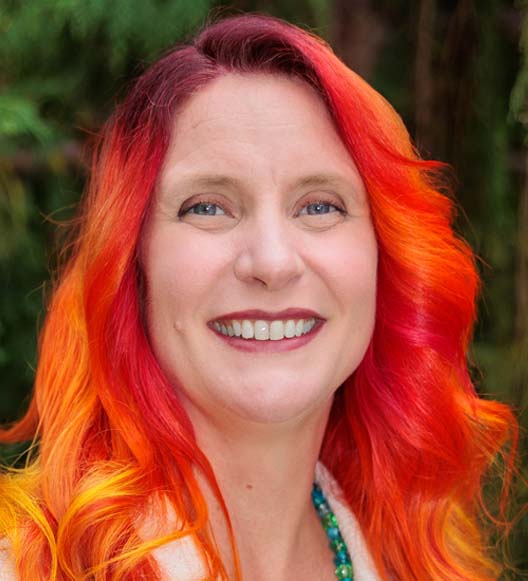
Roblynn Hunnisett, Certified Coach, MBA is a coach at MyLife Counselling in Guelph. Her focus is Life Coaching, Financial Coaching, Business Coaching, Leadership Coaching, and Retirement Coaching. Learn more about Roblynn here.
Navigating Retirement and its Impact on Relationships
Retirement marks a significant transition in life—an exciting yet often challenging shift from structured work routines to newfound freedom. While many anticipate this phase with enthusiasm, few consider the profound ways it can reshape relationships, particularly romantic partnerships. The shift from structured routines to unstructured time can bring unexpected challenges, from redefining partnerships to maintaining friendships. How we approach this transition determines whether relationships flourish or falter.
For couples, retirement can feel like a second honeymoon—or a long road trip with no map. Suddenly, there’s more time together, which can be wonderful or overwhelming. Partners may find their roles changing, leading to friction or deeper connection. The key is open communication—talking about expectations, individual needs, and shared goals. Instead of falling into unhealthy habits like assuming one partner will take on all household responsibilities, couples should collaborate on a balanced routine which allows for both independence and togetherness.
Work often provides a built-in social network, and leaving the workforce can mean losing those daily interactions. It takes an intentional effort to maintain and build friendships in retirement. Joining clubs, attending social gatherings, or even rekindling old friendships can be invaluable in staying connected. Volunteering or pursuing hobbies can also help retirees stay socially engaged and forge new connections.
Retirement can shift family dynamics, whether it means spending more time with grandchildren, navigating changing relationships with adult children, or caring for aging parents. It’s a time to reimagine roles, ensuring interactions remain meaningful rather than obligatory. Healthy boundaries help prevent burnout, while embracing the wisdom gained from life experiences can create deeper, more fulfilling relationships with loved ones.
Retirement is not just about relationships with others, it’s also about the relationship with oneself. Without a job defining purpose, retirees may grapple with identity shifts. Exploring passions, setting personal goals, and nurturing physical and mental well-being contribute to a positive transition. A well-rounded, fulfilling retirement is one where personal growth and relationships work in harmony.
“Often when you think you’re at the end of something, you’re at the beginning of something else.” – Fred Rogers
Retirement is a major life transition, and with it comes a range of emotional challenges that can impact relationships.
Here are examples of navigating some of those emotional hurdles:
- Loss of Purpose and Identity
Example: Mark was a successful business executive for 40 years. After retiring, he struggled with a sense of loss, feeling like he no longer had a purpose. His wife, Linda, noticed he had become withdrawn, spending most of his time watching television. Concerned, she encouraged him to explore volunteer opportunities, and he eventually found fulfillment mentoring young entrepreneurs.
- Differences in Retirement Expectations
Example: Susan had always dreamed of traveling after retirement, while her husband, Jim, was content staying home. Susan felt frustrated, thinking Jim was holding her back from enjoying retirement, while Jim felt pressure to do things he did not want to do. After discussing their needs openly, they compromised—Susan took trips with friends, while Jim enjoyed his quieter lifestyle at home.
- Navigating Increased Time Together
Example: After retiring, Carlos and Maria found themselves arguing more often. While Carlos wanted to spend every moment together, Maria missed having time to herself. They realized they needed to balance togetherness with independence, so Maria took up yoga classes while Carlos joined a gardening club. Giving each other space improved their relationship.
- Loneliness and Social Isolation
Example: David retired from his teaching career and quickly felt the loss of his daily interactions with colleagues and students. His wife noticed he seemed depressed and encouraged him to reconnect with old friends. Eventually, he joined a local book club and formed new friendships, helping him combat loneliness.
- Financial Stress and Uncertainty
Example: Jenny and Robert retired thinking they had enough savings, but unexpected expenses put a strain on their finances. Tensions grew as they argued about spending habits. To ease financial stress, they worked with a financial advisor to create a new budget, allowing them to manage retirement without constant anxiety.
“You are never too old to set a new goal or dream a new dream.” – C. S. Lewis
A few books that I like to recommend in my coaching business are:
- A Couple’s Guide to Happy Retirement and Aging by Dr. Sara Yogev
- 9 Habits of Happy Retirees by Sarah Barry this is a new book published last year.
- Living Together after Retirement OR: There’s a spouse in the house by George Harrop. This is cartoon based so if both of you have a sense of humour, it will resonate for you.
Retirement is a golden opportunity to strengthen relationships, rediscover love, and embark on new adventures together. While challenges may arise, proactive communication, mutual respect, and adaptability can turn this phase into a deeply fulfilling chapter.
How do you envision retirement affecting relationships? Let’s keep the conversation going by contacting me at Roblynn.hunnisett@mylifecounselling.ca
Roblynn Hunnisett, Certified Coach, MBA is a coach at MyLife Counselling in Guelph. Her focus is Life Coaching, Financial Coaching, Business Coaching, Leadership Coaching, and Retirement Coaching. Learn more about Roblynn here.